The short answer
Start with the legal counterparty and its authority, then verify production capabilities, approve a sample and calculate the full delivery cost. The findings should be reflected in the specification and contract.
First, describe exactly what you are buying
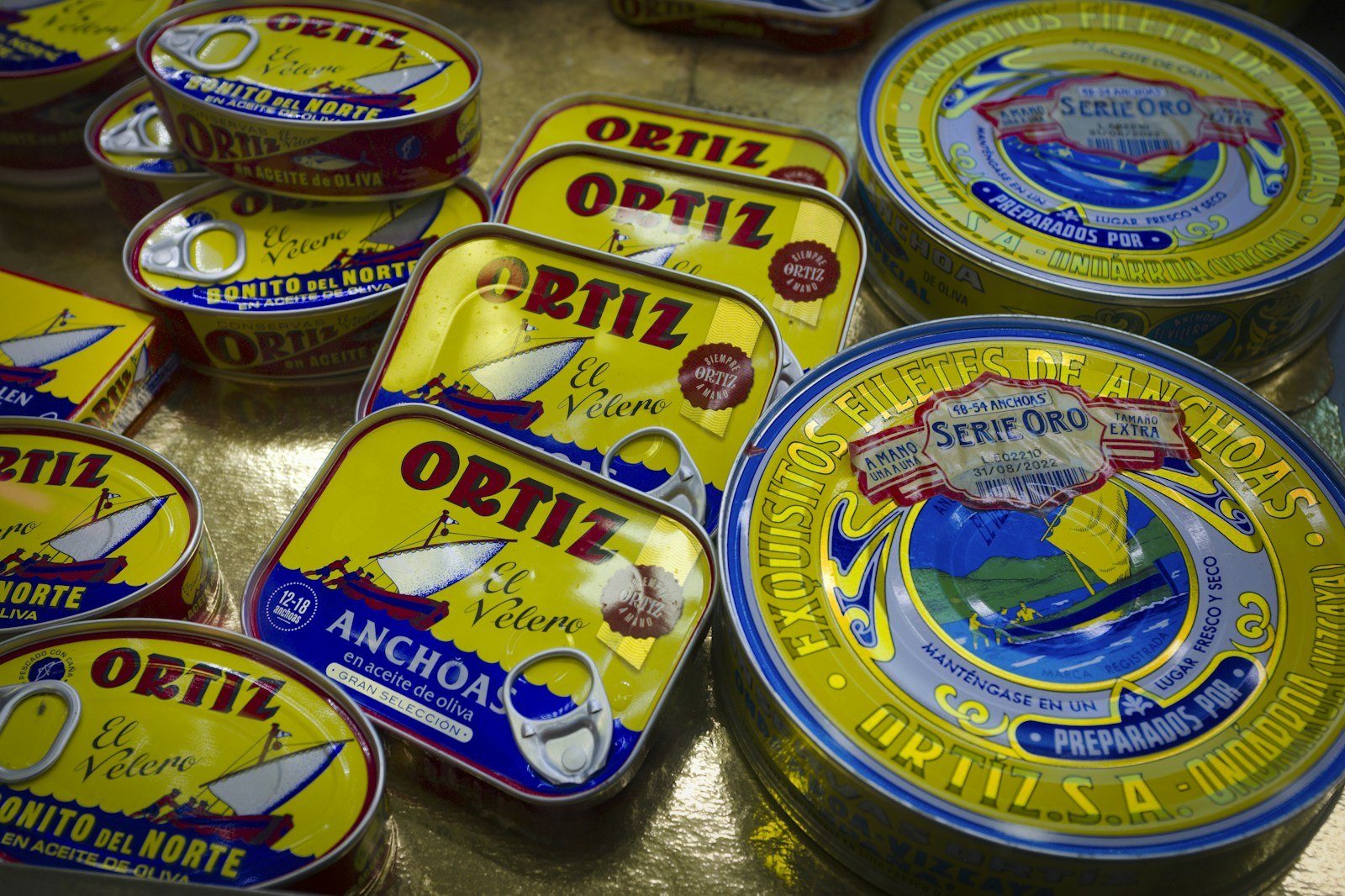
The same product name can cover different ingredients, processing methods, sizes and packaging. Prepare a short technical brief before searching. Specify the intended use, initial order volume, purchasing frequency and destination country.
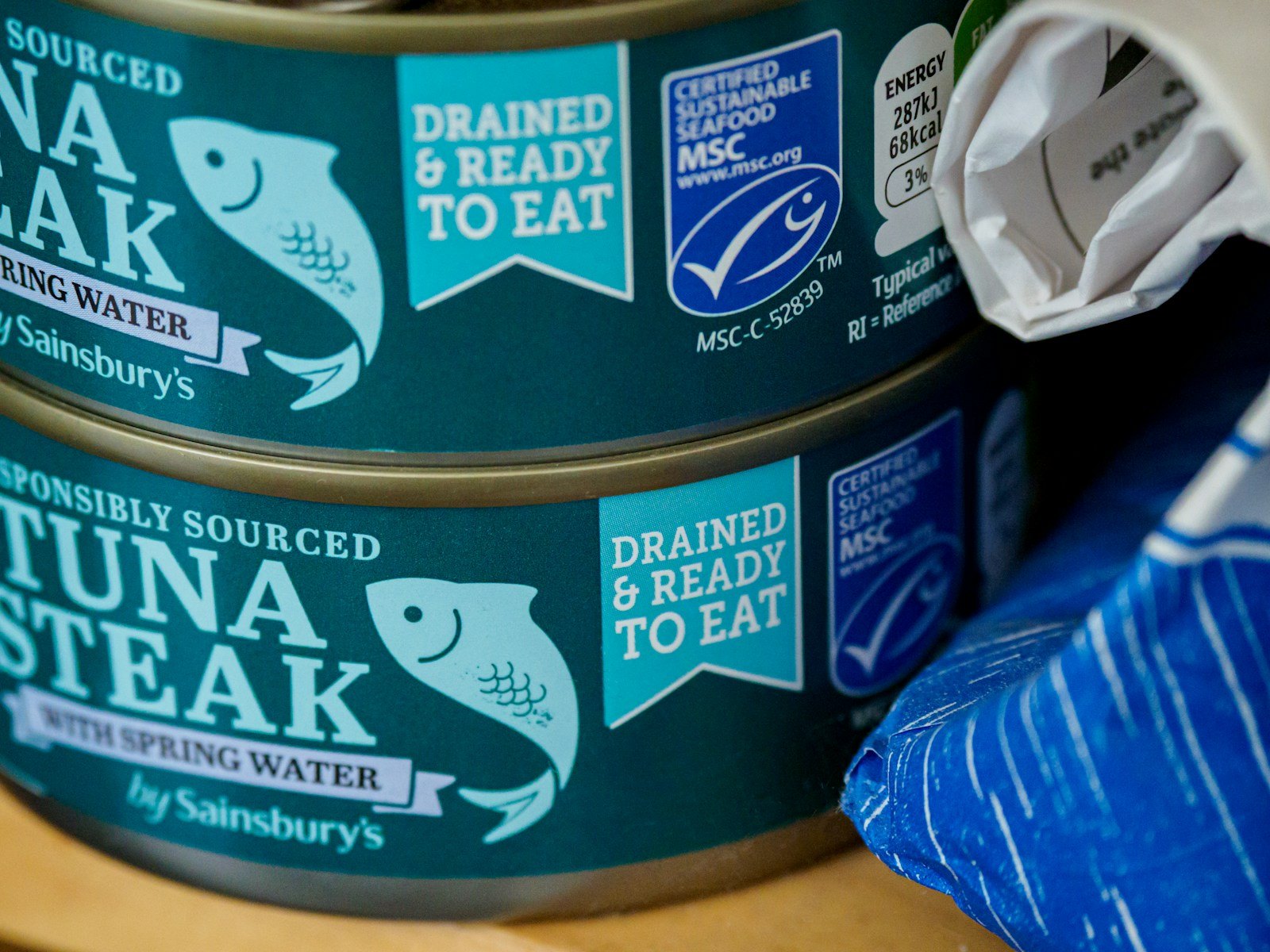
For example, a tuna enquiry needs to specify the packing medium and net weight; a coffee enquiry needs green or roasted beans and sample requirements. Without these details, offers are difficult to compare.
- Product description and acceptable tolerances.
- Volume, packaging and labelling requirements.
- Delivery location and target date.
Distinguish the seller, manufacturer and payment recipient
Confirm the contracting party's full legal name, registration details, address and signatory authority. Separately establish who manufactures the goods and on what basis the seller offers them.
If the payment recipient differs from the seller, request an explanation and supporting documents. Verify changes to bank details through a previously agreed channel. An email with new payment instructions alone is not sufficient to change transaction terms.
Verify capabilities and approve a sample
Discuss where the sample comes from, where production takes place and whether it represents the future batch. Ask for confirmation of the required volume, packaging and schedule. Agree on any site visit or independent inspection before making commitments.
Document acceptance criteria: what constitutes conformity, who performs inspections, which documents are supplied and how discrepancies are handled. Photographs and meetings help explain the product but do not replace a specification and batch inspection.
Compare the full cost on equivalent terms
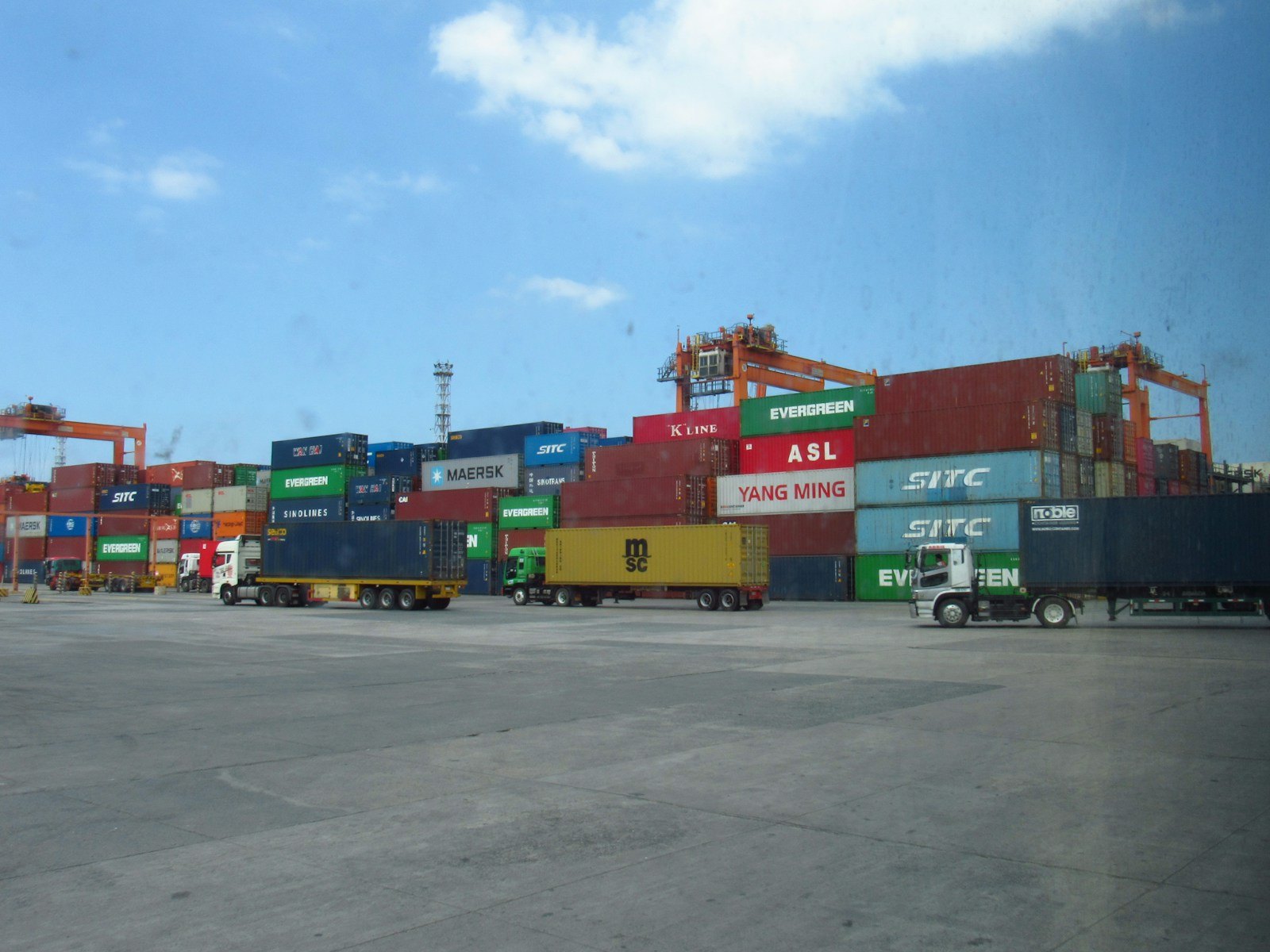
Clarify what the price includes: the product, containers, labelling, delivery to the agreed location, insurance and documentation. The International Chamber of Commerce describes Incoterms rules as a tool for allocating tasks, costs and risks between seller and buyer. The chosen rule and delivery location must be stated precisely.
Compare offers using the same specification and volume. Discuss the advance payment, balance, payment documents and responsibility for delays.
Primary source: International Chamber of Commerce: allocating delivery costs and risks
How RUPH helps
RUPH supports partner identification, negotiations, samples and transaction coordination. State the product, volume, market and timeline in your enquiry. The scope of checks, the team's role and expected deliverables are agreed for your specific task.
Let's focus on your task
Tell us about the product or project, volume and timeline. We will gather the initial information to discuss the next step.
Prepare an enquiryProduct and supplier sourcing