The short answer
First decide whether you need coffee for your own roasting or a finished product. Then compare samples using a consistent method and agree on the origin, processing, pack size and supply terms for the specific batch.
Which coffee types are grown in the Philippines?
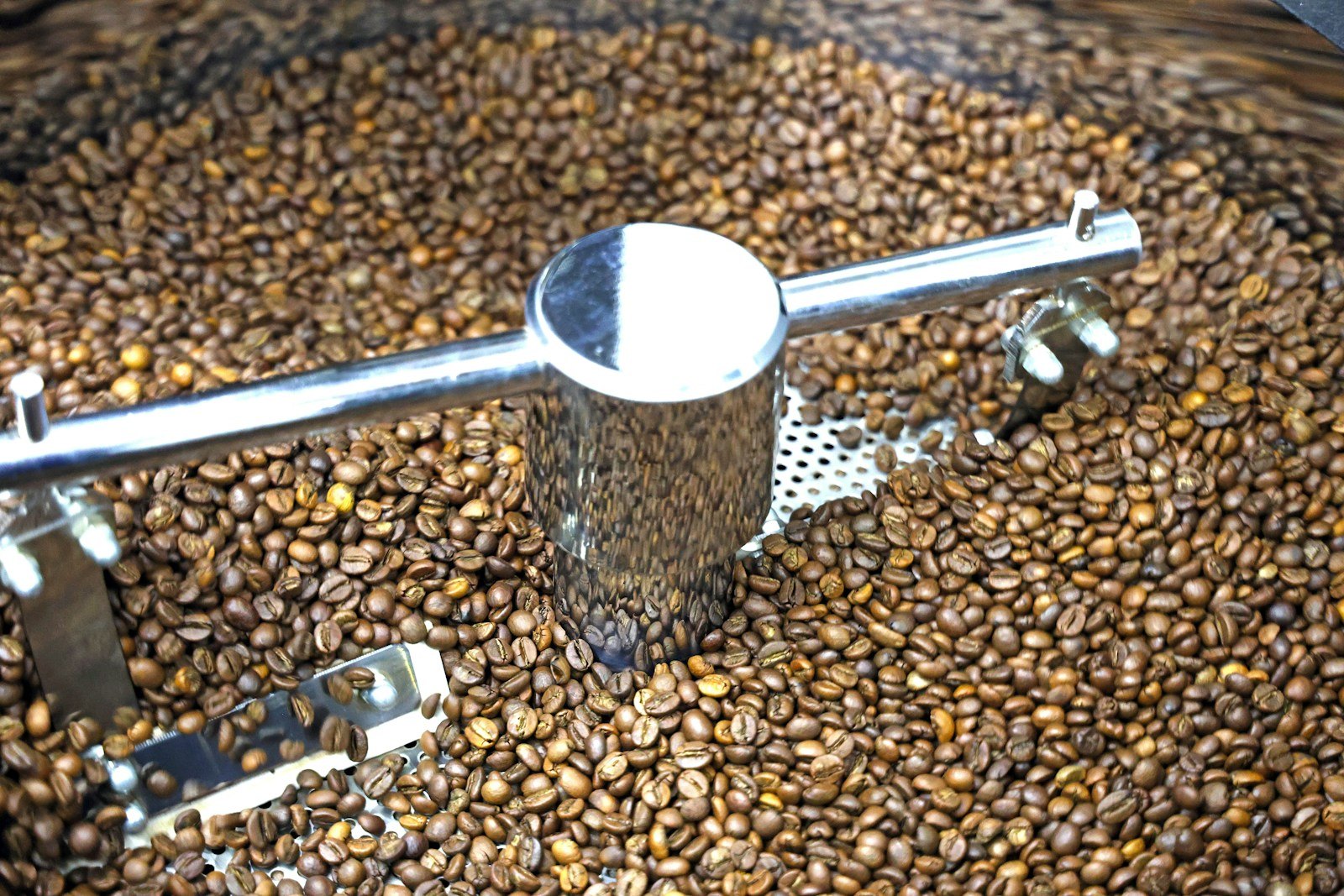
The Philippines grows arabica, robusta, liberica and excelsa. A Philippine Department of Agriculture project describes this diversity. For purchasing, the coffee type is only part of the description: specific origin, harvest, processing and a sample also matter.
Taste and quality cannot be determined by country of origin alone. Choose beans for your intended use and verify the characteristics of the offered batch.
Primary source: Philippine Department of Agriculture: coffee production in Kalinga
Distinguish green beans from finished coffee
A roaster needs green-bean parameters and samples for trial roasting. A coffee shop or distributor may focus more on roast profile, production date, packaging format and repeat-order availability.
A private label also requires agreement on pack size and labelling. Capsules and other formats should be checked separately: a packaging sample alone does not establish that any order can be fulfilled.
Compare samples under consistent conditions
Describe the intended use: coffee-shop drinks, bean retail, in-house roasting or extending a range. Choose a common preparation method and record observations for each sample.
After tasting, confirm which batch the preferred sample represents, the volume that can be confirmed and how repeat orders are agreed. Consider roast level and packaging alongside logistics and your sales schedule.
- Intended use and flavour requirements.
- Green or roasted beans, processing and origin.
- Samples, volume and purchasing frequency.
- Pack size, packaging, labelling and delivery.
Calculate pricing for your operating model
Compare offers at the same volume, product specification and terms. Include sample preparation, roasting, packaging and freight. A low price per kilogram does not describe the full supply cost.
During negotiations, discuss regular purchasing and acceptable packaging options. Final terms should relate to a confirmed batch, not a general product-range description.
From partner meetings to your enquiry
RUPH works with different Philippine plantations that grow and roast their own coffee. We discuss samples, products and packaging with partners. The coffee page includes photographs of meetings and tastings.
Specify the format, volume, requirements and delivery city in your enquiry. We can help explore options and negotiate terms for your task.
Let's focus on your task
Tell us about the product or project, volume and timeline. We will gather the initial information to discuss the next step.
Prepare an enquiryPhilippine coffee: products and partner meetings