The short answer
Your first shipment requires an agreed specification, a verified manufacturer, a sample inspection procedure and a reviewed import process. Start with the product and destination market, then calculate logistics and payment terms.
Choose an existing product or your own brand
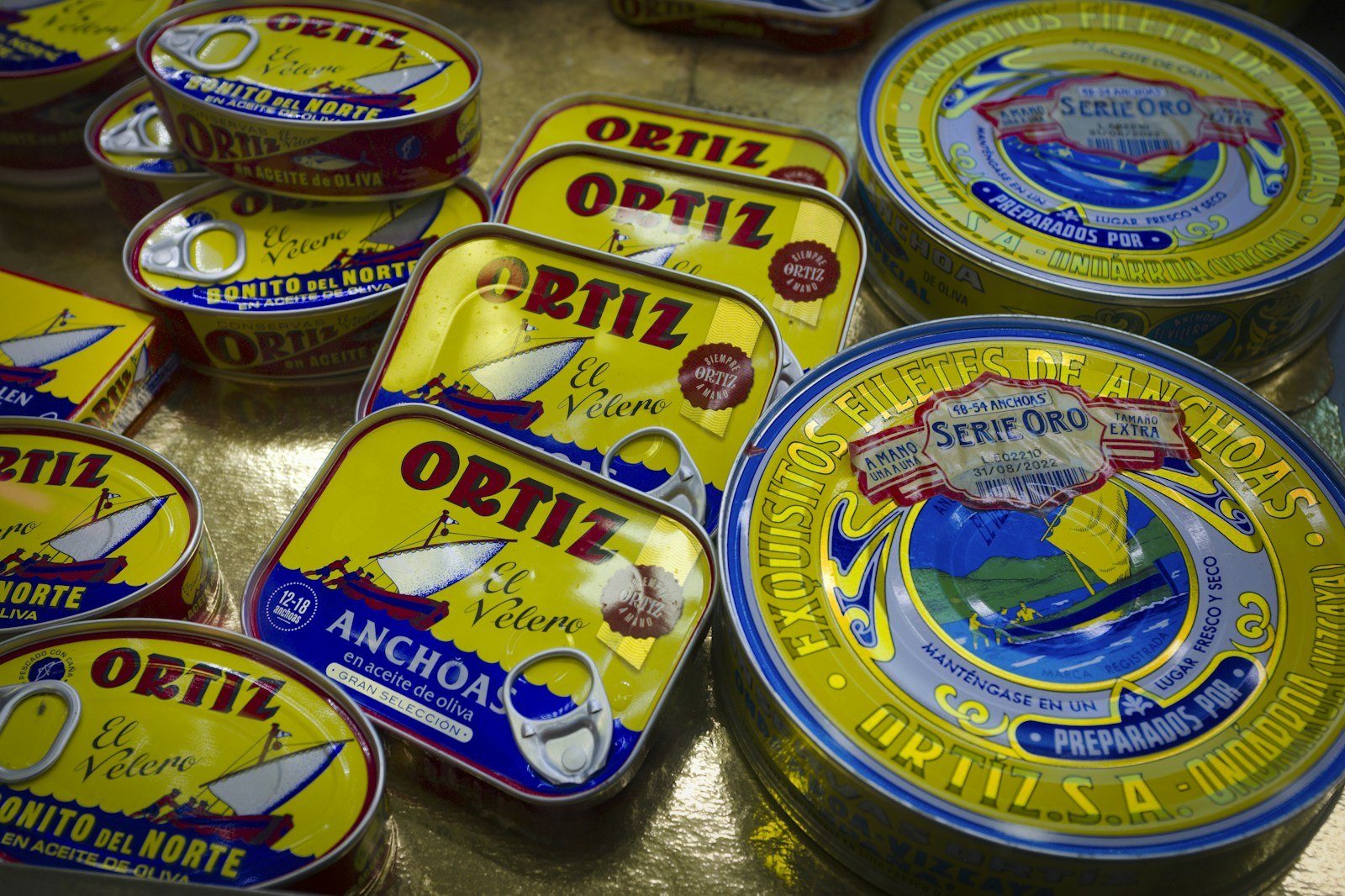
An existing product allows you to explore the manufacturer's available range. Private-label production requires separate agreement on the product, pack size and design. Minimum order quantities, preparation and lead times may differ between the two formats.
Explain which sales channel the tuna is intended for: wholesale distribution, a retail chain, your own shop or another format. This helps define the can, outer packaging and label requirements.
Create a specification that can be used to accept the batch
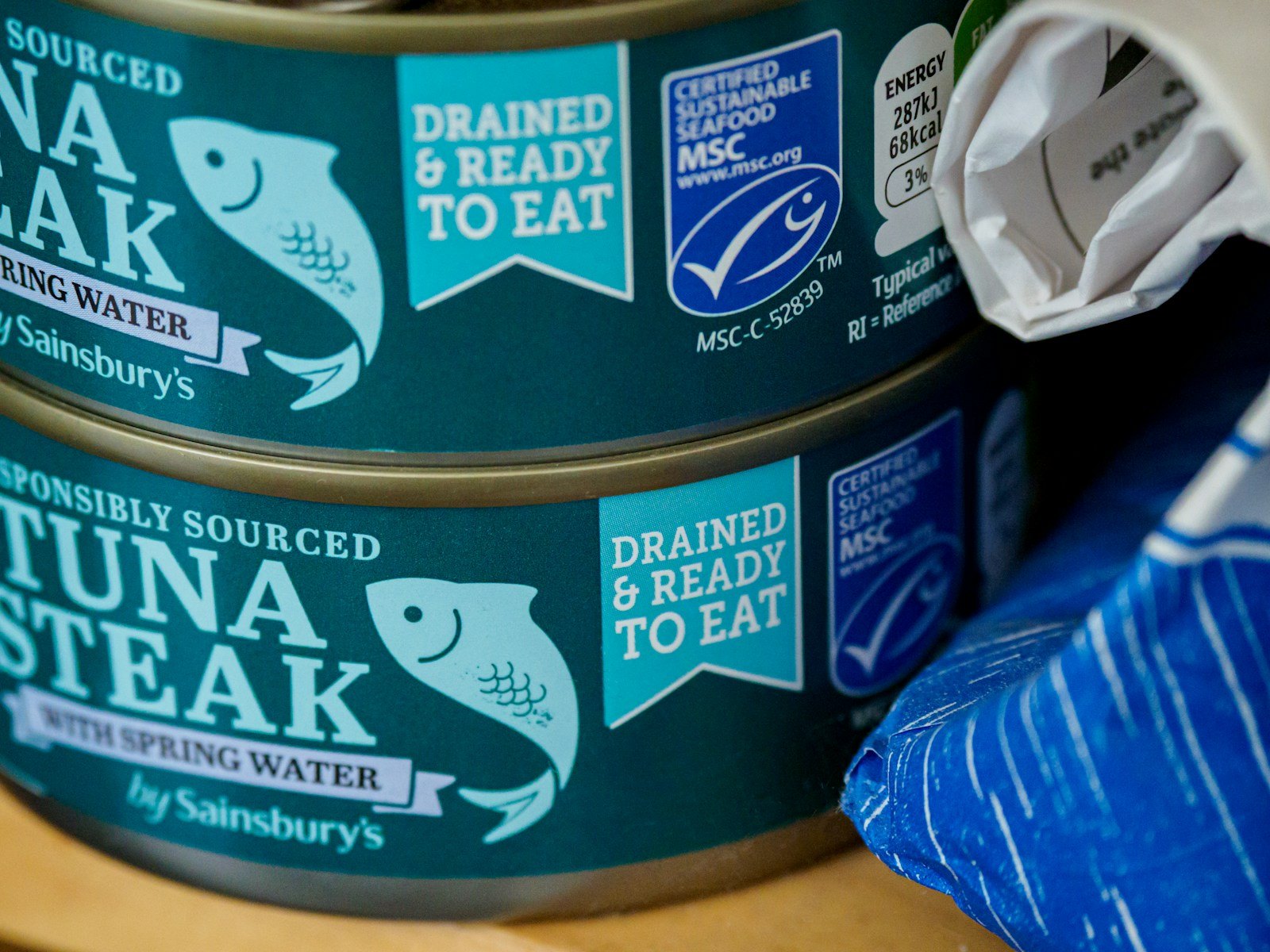
An enquiry for canned tuna should include measurable parameters. Discuss ingredients, packing medium, product form, net weight and container requirements. If you have a reference sample, include a description and photographs.
The manufacturer must confirm that the requirements can be met. List any parameters still to be defined as questions for agreement.
- Ingredients, packing medium and product form.
- Net weight, container and outer packaging.
- Label content and language requirements.
- Initial volume, repeat order frequency and timeline.
Review samples and acceptance terms before ordering
Clarify how samples are obtained, how they relate to the future batch and which characteristics require approval. For a private label, also review the label artwork and packaging.
Define quality checks, batch documents, discrepancy handling and responsibilities in the contract and specification. Storage conditions and shelf life must come from verified documentation for the specific product.
Check documentation and the full import cost
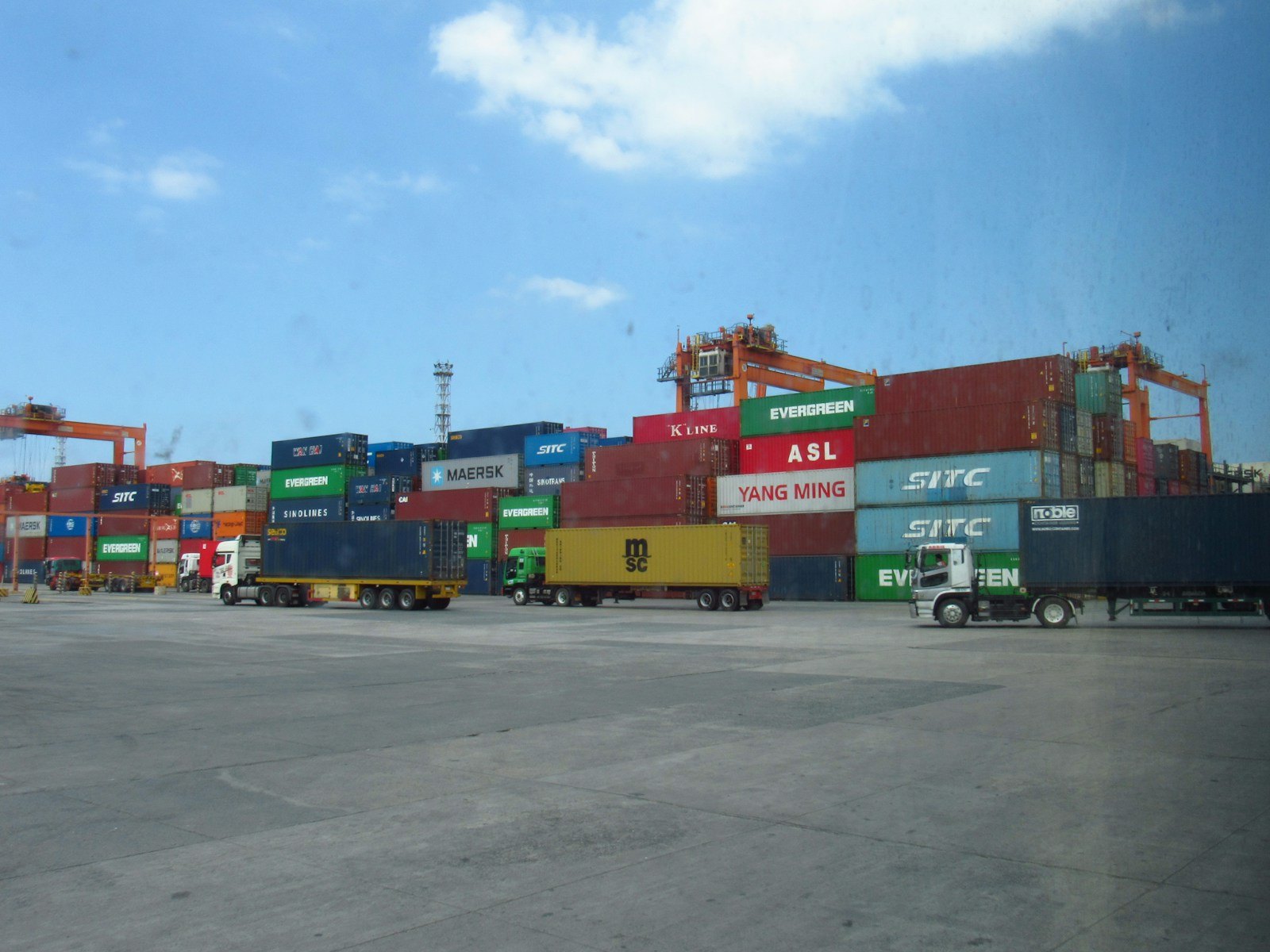
Before confirming an order, give the product description to import and customs specialists. With them, establish product classification, required documents, labelling rules and the acceptability of the proposed supply arrangement.
Then compare product price, packaging, freight, insurance, clearance and other transaction costs. Incoterms help describe cost and risk allocation; the parties agree on the specific rule and location. There is no universal document package for every can and every market.
Primary source: International Chamber of Commerce: allocating delivery costs and risks
What to send to the RUPH team
Prepare a specification or product description, volume, delivery city, timeline and purchasing format. RUPH can help explore options, samples and manufacturer terms. Payments in roubles are considered only after reviewing the specific transaction's banking, legal and tax conditions.
Let's focus on your task
Tell us about the product or project, volume and timeline. We will gather the initial information to discuss the next step.
Prepare an enquiryCanned tuna supply