The short answer
Private-label production starts with a product and packaging brief. Agree on tuna characteristics, design, volume and samples; the manufacturer must confirm production capabilities and terms.
Define the product's role in your range
Describe the customer, sales channel and desired format. To develop the brief, establish whether the new product will be a standalone item, a range extension or the foundation of a new brand.
Provide an indicative purchasing budget and planned volume as a starting point for negotiations. A meaningful final price discussion requires confirmed ingredients, packaging and batch size.
Prepare a single product brief
Put the requirements in one document so that the manufacturer, designer and buyer use the same version. Mark mandatory parameters and those where you are open to alternatives.
If you do not yet have a brief, start with a product description and target market. Questions to the manufacturer will help turn it into a specification.
- Recipe, ingredients, packing medium and product form.
- Net weight, can type and outer packaging.
- Quality requirements and acceptance procedure.
- Initial order, repeat purchasing plan and timeline.
Approve the label alongside the product
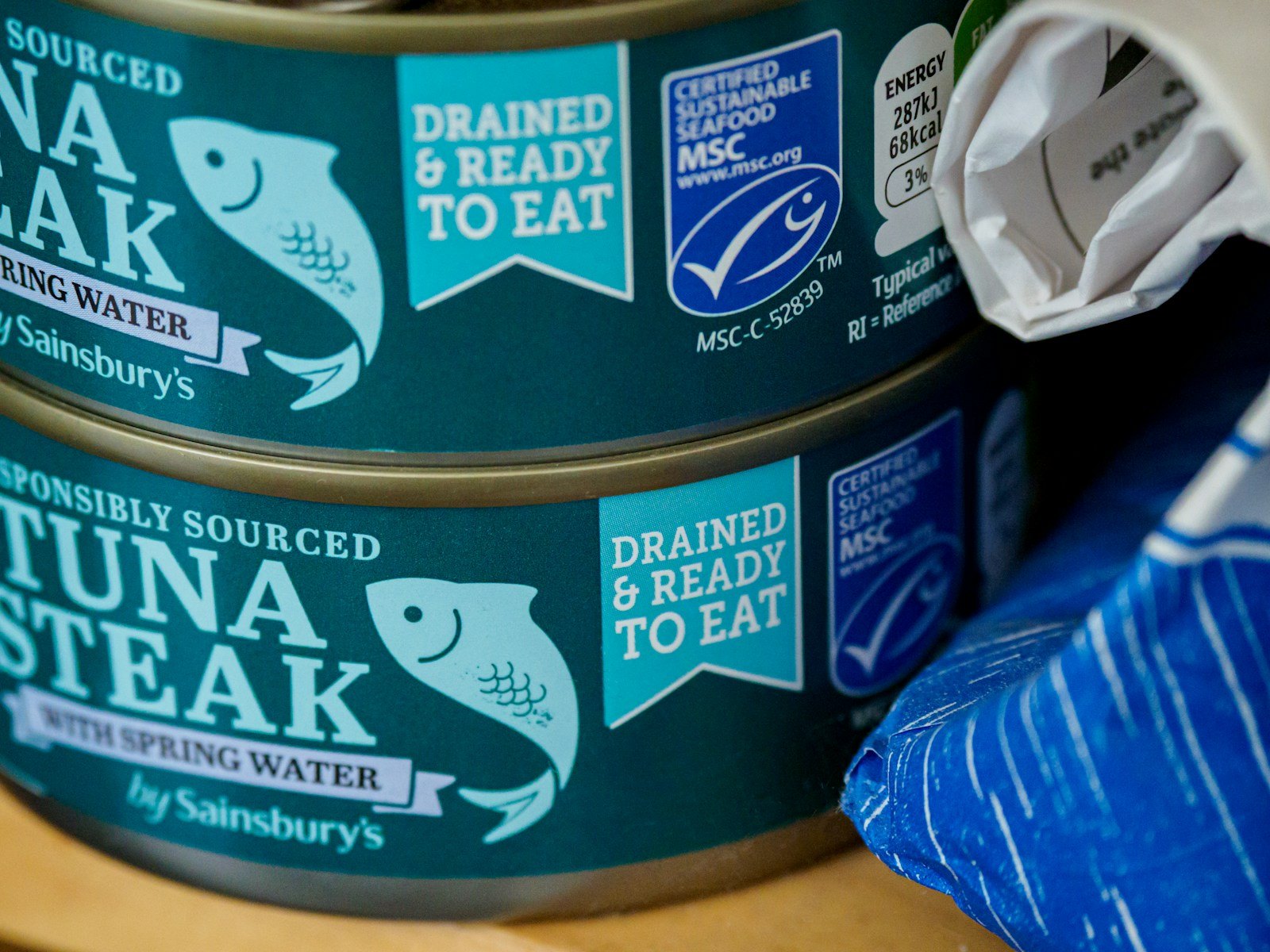
Artwork and mandatory product information need separate checks. Before launch, agree on languages, text, information placement and print requirements with the manufacturer and destination-market specialists.
Check rights to use the name, logo and images. Document who approves the final artwork, which version goes into production and how subsequent changes are agreed.
Approve the sample and batch terms
Discuss minimum order quantities separately for the product and packaging. Clarify the cost and timing of samples, container production and manufacturing. These terms depend on the confirmed brief.
Keep approved samples and sign-off documents. Record batch characteristics, quality checks and deviation procedures in the specification. For repeat orders, discuss in advance how consistent parameters and schedules will be confirmed.
Which tasks can RUPH handle?
RUPH can help develop an enquiry, explore manufacturing capabilities and agree on the product, samples and terms with partners. State the project stage: a brand idea, a finished specification or a search for alternative production. This defines the next step and scope of work.
Let's focus on your task
Tell us about the product or project, volume and timeline. We will gather the initial information to discuss the next step.
Prepare an enquiryTuna production under your brand