Journal · Philippines → Russia
Introducing Philippine coffee to Russian buyers: lead with the lot and the format
A practical guide to Philippine coffee export discussions: green or roasted formats, lot information, sampling, packaging and repeat-supply planning.
The short answer
Explain the actual coffee and the customer application before discussing a wider origin story. Identify the lot, format and sample purpose, then compare quality and commercial terms on the same basis. A roaster, café supplier and retail-brand customer will need different information.
Choose the product and customer application
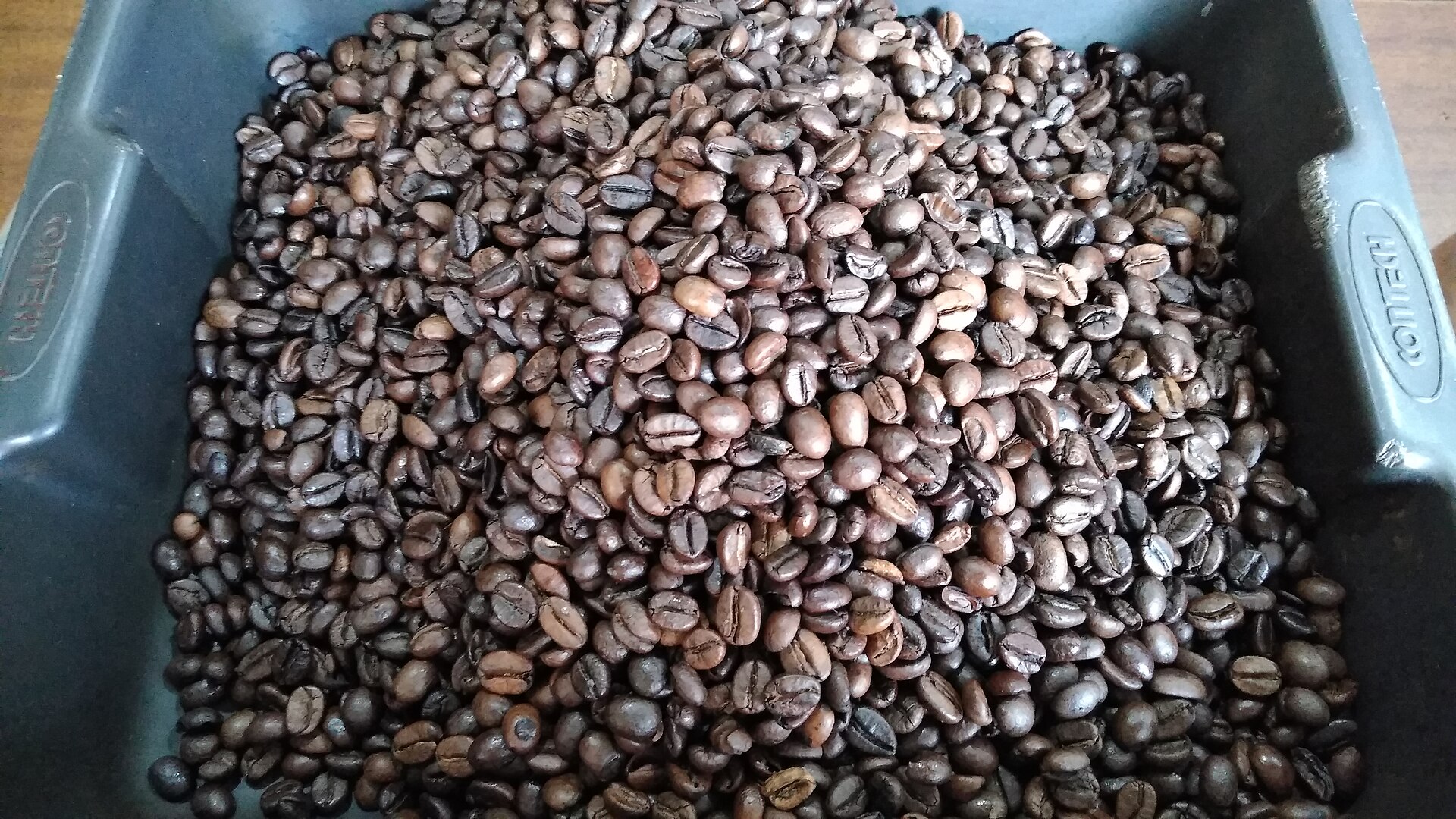
Green coffee for a roaster is a different proposition from roasted beans for cafés, retail ground coffee or a private label capsule project. Begin by stating the format, intended buyer and the capability behind the offer. This keeps technical questions and commercial expectations aligned.
An origin description can introduce the range, but the buyer also needs to know what can be evaluated and ordered. Explain whether the offer concerns a specific lot, a repeatable specification or a product that still needs development.
Build a lot-level information sheet
Record origin and variety only to the extent they are supported by the lot documentation. Describe processing, the relevant harvest or production information, physical format and the quality information available for review. Keep objective details separate from marketing language.
For roasted products, add the agreed roast description, pack format, storage instructions and shelf-life information. For OEM formats, identify packaging and formulation decisions that depend on the customer. Do not present an unconfirmed sample description as a guarantee for all future deliveries.
- Lot or product reference and format.
- Documented origin and processing information.
- Packaging, storage and shelf-life details.
- Available sample quantity and repeat-supply assumptions.
Agree how the sample will be evaluated
Ask what the buyer wants to learn: suitability for a roast profile, cup characteristics, performance in a drink menu or consumer response to a finished product. Agree the sample preparation, quantity and feedback format before arranging dispatch.
Keep the sample reference attached to the feedback and any later proposal. A positive tasting should lead to an identified next step, such as a revised specification or pilot quotation. It should not be described as an order, exclusive appointment or approval of unrelated requirements.
Discuss repeatability and freshness together
An attractive first sample is only part of an export proposition. Explain how future lots will be selected, what variation may occur and how changes would be communicated. For roasted products, transport, storage and the delivery schedule need to support the agreed product-life assumptions.
If the customer wants its own packaging, distinguish product minimums from print or packaging minimums. Clarify responsibility for artwork, language review, barcodes and final approval before committing to a production run.
Compare quotations using the same delivery basis
The product, quantity, packaging, delivery point and quotation validity should be visible together. Keep product quality, payment arrangements and delivery responsibilities as separate items in the commercial discussion. A cheaper line price may cover a different scope.
Where Incoterms are used, identify the selected rule, named place and edition. Confirm the workable route and applicable requirements for the actual goods and parties before treating a timetable or payment method as available. RUPH can coordinate the product brief and discussions without claiming a standing offer from a named producer.
This article provides general preparation guidance, not a product approval, legal opinion or guarantee of a transaction. Check current official materials and obtain appropriate specialist input for your specific circumstances.