Journal · Philippines → Russia
Coconut products for Russia: turn a broad category into a buyer-ready specification
Prepare Philippine coconut-product proposals for Russian ingredient, food-service and retail buyers, with clear formats, specifications and packaging responsibilities.
The short answer
Choose a defined coconut product and application. Give the buyer a usable specification, packaging and storage information, and explain whether you offer a finished brand or contract manufacturing. Product and destination requirements need to be assessed for the exact item.
Separate the product formats
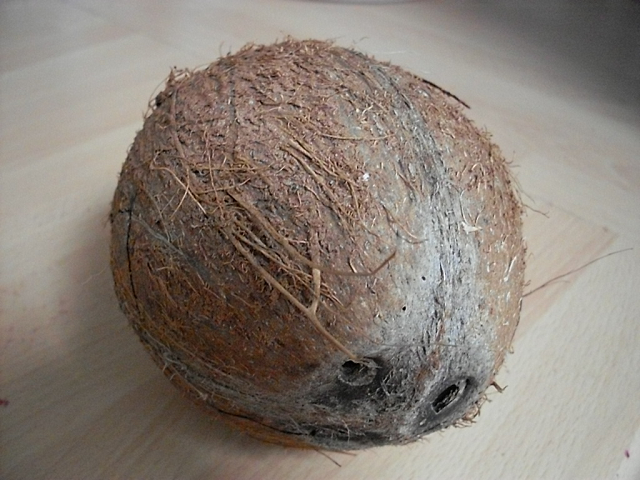
Coconut milk, cream, oil, desiccated coconut and finished beverages are not interchangeable purchasing categories. A proposal should make the product’s intended use clear before listing the manufacturer’s wider capabilities.
An ingredient buyer may need a formulation input and a repeatable specification; a retail distributor needs a range that can be explained and handled in its channel. Start with one use case and offer further formats after the buyer has identified a relevant direction.
Describe the characteristics that matter for the application
For milk or cream, discuss composition, fat content and processing information relevant to the proposed use. For oil, identify the stated grade, processing and intended application. For desiccated products, clarify particle size, pack format and the quality criteria available for agreement.
These are questions for a technical brief, not a universal specification. The exact parameters, tolerances and supporting tests depend on the product and customer. Make clear which values are confirmed and which need the manufacturer’s technical response.
- Product identity and intended application.
- Composition, relevant grade and specification version.
- Pack size, case or bulk configuration.
- Storage, shelf life and available quality documents.
Test the format under the intended conditions
A sample evaluation should reflect the customer’s use. An ingredient may need a recipe trial, while a retail item may need checks of portioning, packaging and presentation. Define what will be recorded and who will make the next decision.
Where a sample is a development batch or uses temporary packaging, say so. A successful recipe trial does not by itself settle commercial packaging, label approval, import assessment or the conditions of repeat supply.
Distinguish a branded range from private label
For an existing Philippine brand, explain the target channel, range positioning and support you can offer to a distributor. Any proposed territory or brand-use rights should be discussed explicitly, rather than inferred from an introductory presentation.
For private label, separate recipe approval from artwork and packaging approval. Agree ownership, version control, manufacturing commitments and how a change in ingredients or packaging will be handled before orders are placed.
Keep the destination review product-specific
Ask the proposed importer and appropriate specialists to review the exact composition, classification, labelling and documentary requirements. A shelf-stable format is not automatically free of product controls, and experience in another market does not establish readiness for Russia.
The EEC’s official technical-regulation resources are a starting point for the destination work. Combine that review with the applicable Philippine export process, a workable route and a clear contracting model. RUPH can help organise the brief and communication; it does not publish confirmed stock or confidential manufacturer terms.
This article provides general preparation guidance, not a product approval, legal opinion or guarantee of a transaction. Check current official materials and obtain appropriate specialist input for your specific circumstances.